
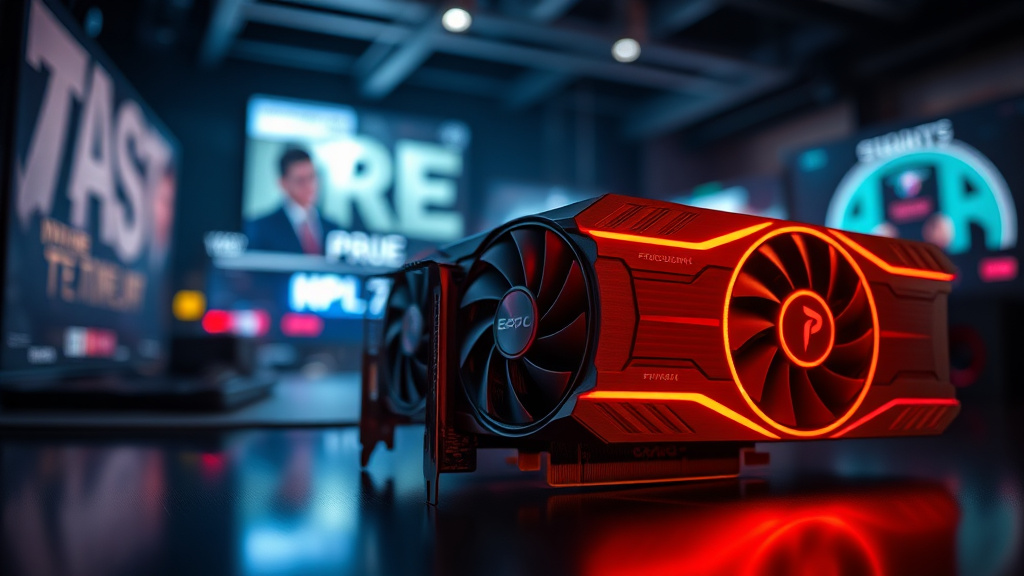
The gaming industry is undergoing a transformative evolution as cutting-edge graphics cards hit the market, shattering performance records and redefining what’s possible for computer gamers. Whether you’re chasing maximum frame rates at maximum settings or discovering visually stunning new titles, these powerful processors deliver the raw performance needed to achieve victory in multiplayer and immerse yourself in stunning digital environments. Discover how the cutting-edge developments in display technology are setting new standards worldwide.
Advanced GPU Architecture and Speed Enhancements
The current generation of graphics cards introduces revolutionary structural improvements that fundamentally transform GPU computing. These next-generation processors incorporate sophisticated processor architectures with greater transistor packing, enabling significantly higher clock speeds and improved power efficiency. Manufacturers have committed significant resources in R&D initiatives to create chips that provide outstanding computational power while maintaining thermal stability. The result is a dramatic leap forward in raw computational power, allowing gamers to experience gaming at previously unattainable performance levels with stunning image quality.
Performance benchmarks demonstrate substantial gains throughout game types and resolutions. Frame rates at 4K ultra settings have nearly doubled versus previous generations, while ray tracing capabilities now provide visually realistic lighting while maintaining playability. Memory bandwidth has increased significantly, enabling more fluid performance and reduced stuttering during demanding visual moments. These enhancements translate directly into tangible benefits for gamers, from high-performance competitive games demanding high refresh rates to graphics-intensive single-player experiences needing maximum graphical settings.
The architectural upgrades extend beyond raw speed, featuring intelligent power control mechanisms that optimize performance dynamically. Sophisticated thermal management embedded within the GPU design preserve peak thermal conditions even during long gaming marathons. Memory setups now enable quicker data retrieval, reducing latency and enhancing system reaction speed. These comprehensive enhancements function together to create a superior gaming experience that sets new industry benchmarks.
Specialized CUDA cores and tensor processing elements now manage intricate computations with remarkable speed, enhancing both traditional rasterization and advancing ray-tracing techniques simultaneously. The optimized memory structure minimizes data retrieval bottlenecks, guaranteeing that high-performance components never lack sufficient throughput. These structural improvements address persistent constraints that previously restricted gaming performance, allowing developers to create increasingly ambitious and graphically impressive game worlds.
Real-world gaming evaluations show that these architectural advances deliver meaningful performance improvements across various game collections. Popular AAA titles now deliver consistent 120+ fps at highest quality settings on high-res screens, while esports games reach competitive 240+ fps performance with ease. The consistency of frame delivery has improved dramatically, with reduced frame time variance delivering smoother, more responsive gameplay. These performance gains mark a major milestone in graphics technology evolution.
The efficiency gains prove equally impressive, as power draw continues impressively managed despite considerable performance improvements. Modern manufacturing processes at lower nanometer dimensions enable this efficiency breakthrough, enabling producers to pack greater processing power into the identical thermal budget. This combination of performance and efficiency results in graphics processors that provide outstanding gaming performance while staying feasible for consumer-grade power supplies and cooling systems.
Enhanced Functionalities Elevating Gaming Enjoyment
Modern graphics cards include sophisticated technologies that transform how games are processed and shown. Ray tracing capabilities deliver realistic light and reflection effects, while DLSS technology intelligently upscales reduced-resolution footage to maintain impressive graphics without compromising speed. These sophisticated technologies work seamlessly together, letting users to achieve exceptional image quality while sustaining smooth, responsive gameplay across intensive blockbuster games and high-level competitive titles.
- Live ray tracing for lifelike lighting effects
- AI-powered upscaling technology boosts frame rates significantly
- Advanced cooling systems ensure optimal performance temperatures
- Variable refresh rate support eliminates screen tearing issues
- Hardware acceleration for video encoding and playback
The integration of machine learning algorithms in modern GPUs enables adaptive optimization of performance that customizes for specific games automatically. These adaptive technologies analyze gameplay patterns in real-time, tuning visual settings to deliver peak frame rates and graphics quality at the same time. Gamers gain dramatically reduced response time and snappier controls, creating a performance edge in fast-paced multiplayer settings where fractions of a second decide victory.
Memory bandwidth has increased substantially in the latest generation, allowing graphics cards to handle large data volumes required for sophisticated environmental features and character models. Improved memory systems support rapid data transmission between GPU and system memory, eliminating bottlenecks that previously hindered gameplay efficiency. This architectural advancement allows creators to develop immersive, highly detailed gaming spaces with intricate textures, advanced physics simulations, and sophisticated AI behaviors that were previously impossible.
Market Impact and Future Gaming Possibilities
Market Evolution and Business Expansion
The release of these high-performance graphics processors is fundamentally reshaping the gaming hardware sector, generating substantial increases across the sector. Manufacturers are witnessing unprecedented demand as gamers upgrade their equipment to access next-generation capabilities benefits. This wave of adoption is catalyzing innovation cycles, encouraging competitors to accelerate development timelines. The competitive landscape has intensified, benefiting consumers through quick technological innovation and better pricing approaches. Research analysts anticipate ongoing growth over the foreseeable future as gaming remains on an expansion path around the world.
Major tech companies are investing heavily in GPU research and development, acknowledging the enormous market potential. Graphics card sales have reached record levels, with premium models capturing substantial market share. This financial success enables manufacturers to allocate greater resources toward next-generation advancements. The momentum created through current releases is establishing new benchmarks for performance expectations. Retailers worldwide report robust sales numbers, indicating strong buyer interest for these advanced solutions and their game-changing potential.
Next-Generation Interactive Entertainment
These graphics cards are delivering remarkable gaming adventures previously considered impossible on standard gaming systems. Developers are actively developing titles that leverage sophisticated ray tracing technology, machine learning, and photorealistic rendering techniques. Games featuring extremely detailed textures, intricate physics systems, and large-scale virtual spaces are becoming standard. Players can expect seamless gameplay at ultra-high definition resolution with maximum graphical settings enabled. The performance foundation provided by these GPUs ensures years of exceptional gaming performance and image quality.
Future gaming opportunities go past traditional titles into advanced technologies like virtual reality and metaverse platforms. GPUs with enhanced computational power facilitate immersive VR experiences with unmatched image clarity and responsivity. Cloud gaming platforms are taking advantage of enhanced graphics processing, providing console-quality experiences to multiple devices. AI integration within games creates smart non-player characters and responsive worlds. These innovations position PC gaming at the leading edge of digital entertainment, engaging wider audiences globally.
Consumer Adoption and Enduring Value
Enthusiasts investing in these graphics cards are locking in substantial lasting value through extended performance relevance. The generational advancement in capabilities ensures compatibility with forthcoming game titles for years. Vendors deliver robust driver support and performance optimizations, consistently boosting performance throughout the product lifespan. Consumers enjoy better stability, new features, and compatibility enhancements through regular updates. This dedication to ongoing support optimizes the value offering for early adopters and validates premium pricing.
The widespread access of these high-end GPUs across various price points makes available advanced gaming experiences for larger groups of gamers. cost-aware gamers can access meaningful performance improvements, while serious gamers leverage premium features. This multi-tier strategy promotes widespread adoption and market penetration. As production scales grow and competition intensifies, pricing trends point to improved affordability. The combination of exceptional performance, extended lifecycle value, and enhanced availability positions these GPUs as significant upgrades for computer gamers around the world.
