
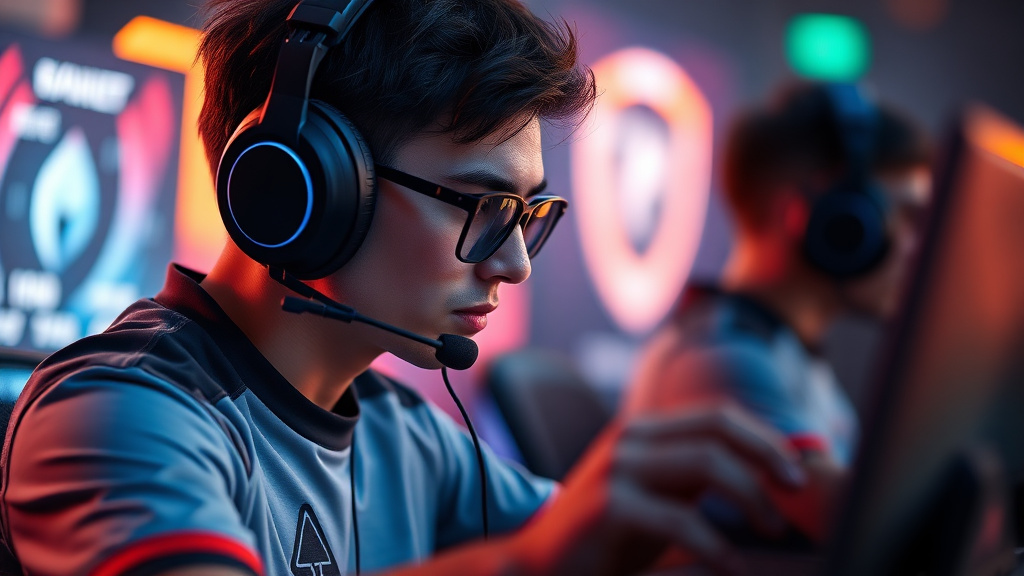
The esports industry has exploded into a multi-billion dollar market, and gaming peripheral manufacturers are paying attention. Major players like Razer, SteelSeries, and Corsair are investing heavily into creating high-performance peripherals designed for professional esports athletes. From high-precision mice with rapid reaction speeds to advanced keyboards designed for esports competition, these developments are changing the way players perform at the top tier. This article analyzes the technological advancements, competitive landscape, and financial commitments propelling this competitive race for esports dominance.
Market Growth and Investment Trends
The esports gaming peripheral market has undergone significant surge over the last five years, with projections forecasting ongoing growth through 2030. Leading companies are taking advantage of this market expansion by channeling major investment toward innovation efforts. Industry analysts estimate that the global gaming peripheral market will reach over $10 billion annually, propelled primarily by pro-level esports requirements. Companies recognize that supporting advanced gear for esports competitors creates brand loyalty and establishes market leadership. This investment strategy reflects the lucrative opportunities within the esports ecosystem and the vital function peripherals influence athlete performance.
Strategic investments from gaming peripheral companies go further than product development into sponsorships and partnerships with top esports organizations and competitive events. Razer, SteelSeries, Corsair, and new market entrants are locking in exclusive partnerships with leading esports organizations, making their gear the the norm for professional tournaments around the world. These collaborations produce significant brand visibility while providing valuable feedback sourced from top-performing players. The competitive landscape has grown fiercer as organizations compete for backing from title-holding organizations, recognizing that association with successful players drives consumer adoption and solidifies brand trust in the professional gaming community.
Tech Development in Competitive Gaming Gear
The dynamic esports landscape requires equipment that extends technological boundaries. Gaming peripheral manufacturers have committed billions in R&D efforts to create gear that meets the demanding specifications of professional athletes. These innovations focus on precision, reliability, and responsiveness, with every millisecond mattering in high-stakes competitions. High-performance substances, ergonomic designs, and state-of-the-art detection systems have transformed peripherals from standard equipment into elite-grade instruments that significantly influence competitive performance.
Premium Input Devices
Esports mice represent the peak of accurate craftsmanship, equipped with lightning-fast sensors with adjustable DPI settings extending to 20,000 or higher. These devices include light weight construction, programmable controls, and cutting-edge motion detection to minimize delays and ensure accuracy. Leading manufacturers have developed mice precisely tuned for different game genres, from intense shooter titles to strategic real-time strategy games. Elite esports athletes now require mice with zero-drift sensors and microsecond-level response times to stay ahead of competition.
Mechanical keyboards have emerged as vital instruments for esports athletes, with manufacturers developing switches that deliver precise activation thresholds and physical sensation. Programmable light effects, assignable hotkeys, and anti-ghosting technology enable players to carry out sophisticated maneuvers in real-time. High-end gaming keyboards incorporate reinforced bodies, user-replaceable switches, and professional-grade dampening. Companies allocate significant resources in mechanism innovation, creating variants tailored for different game types and user needs.
Advanced Headsets and Audio Systems
Audio fidelity has grown vital in esports competition, where spatial audio signals determine competitive edges. Gaming headset manufacturers have created spatial audio technologies that deliver precise location detection, essential for games demanding situational awareness. These headsets include noise-canceling microphones, high-quality speakers, and comfortable construction for extended wear during tournaments. High-end sound equipment now incorporate immersive audio rendering and customizable EQ settings tuned to individual game sound signatures.
Headset comfort and durability are essential elements for esports equipment designers, as players wear them throughout during tournaments. Brands employ premium materials, adjustable bands, and ventilated ear pads to reduce tiredness and improve competitive results. High-end microphone engineering guarantees crystal-clear audio in team-oriented matches, while wireless connectivity options eliminate wire-related issues. Major producers regularly improve their sound technology to create edge in gameplay in immersive gaming environments.
Collaborative Partnerships and Sponsorships
Gaming peripheral manufacturers have formed strategic partnerships with competitive gaming teams and leagues to showcase their equipment at the most elite competitive tiers. Companies like Razer and SteelSeries support top-tier esports organizations, supplying teams with advanced gaming hardware while earning invaluable visibility during competitions watched by millions worldwide. These alliances create reciprocal arrangements where competitors obtain premium equipment tailored to their particular demands, while makers gain trust and competitive intelligence from elite athletes who require uncompromising performance and consistent performance.
Sponsorship deals reach past individual teams to cover full esports leagues and international tournaments. Top-tier events like the LoL World Championship and The International showcase significant branding from hardware makers, cementing their connection to esports excellence. These major partnerships create significant brand visibility and show manufacturers’ commitment to supporting competitive gaming infrastructure. Athletes wearing sponsored gear become brand advocates, impacting countless aspiring gamers who pursue the same equipment used by their professional role models.
The investment in partnerships also drives innovation through direct collaboration with professional players who provide essential input on equipment performance. Manufacturers collaborate directly with esports athletes to improve products, guaranteeing peripherals satisfy the rigorous requirements of professional competition. This symbiotic relationship accelerates product development cycles and guarantees that new releases address practical performance issues. By maintaining these strategic partnerships, gaming peripheral companies secure their position as vital players to the esports ecosystem while building strong brand commitment among professional gamers worldwide.
